 CloudKites
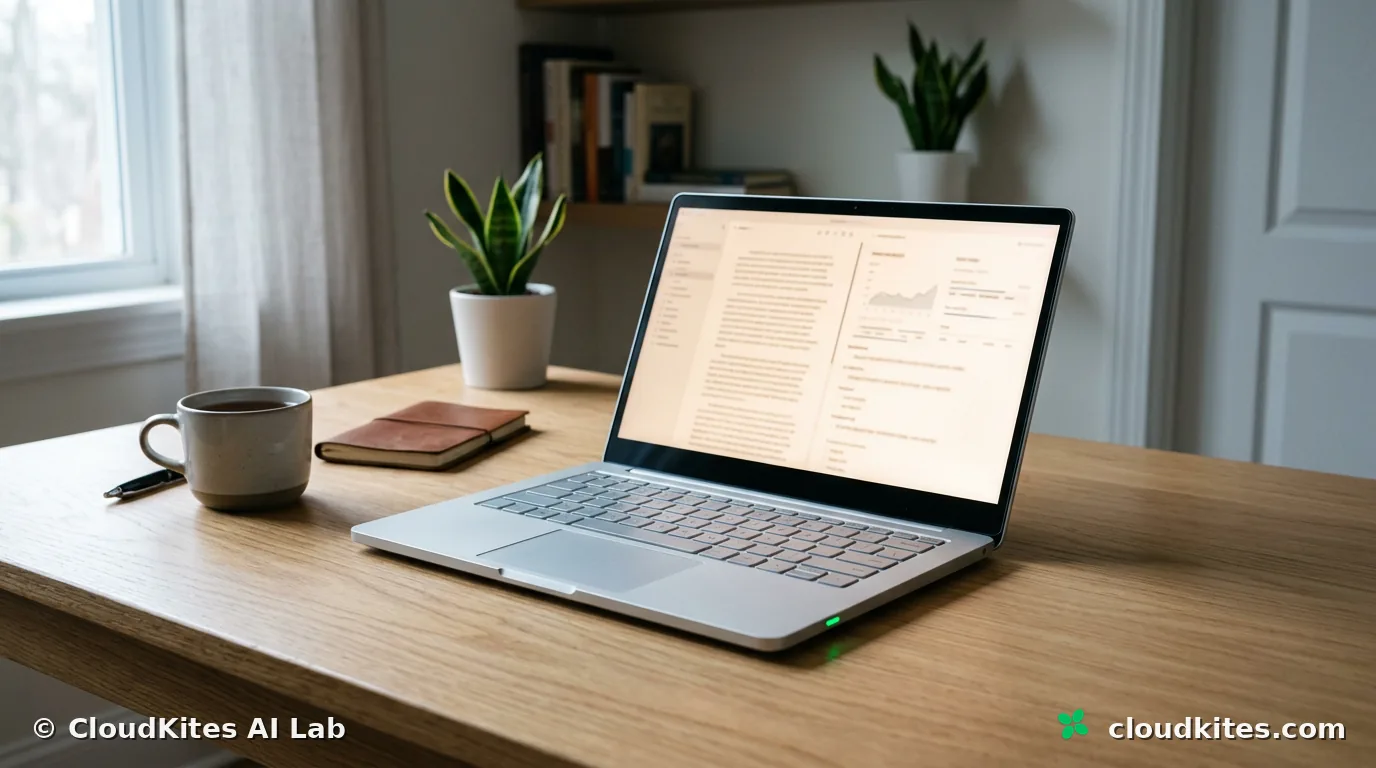
Emu is our completely-local, cross-platform, multi-modal assistant — a general- purpose companion that runs on the machine in front of you. It draws together generative AI, a multi-modal language model, voice, and computer vision in one place, and it does so without sending your work anywhere. Once the models are on your device, Emu needs no internet at all; the only time it reaches out is to download or update those models. This release sharpens the everyday experience across all of that, and keeps the promise that has defined Emu from the start: what you do with it stays with you.
What’s new
The headline is a calmer, more capable assistant rather than a longer feature list. Drafting is clearer and more consistent, whether you are starting something from scratch or reshaping text you already have. Help with reading and thinking through a problem is steadier — better at staying on the thread of a longer piece and at giving you a useful answer rather than a hedged one. Voice interaction feels more natural to talk to, and the assistant’s understanding of images you share with it is more dependable, so the multi-modal side of Emu is genuinely part of the everyday flow rather than a novelty you remember occasionally.
The interface has been quietened, too. Emu now stays out of the way until you reach for it, then responds without ceremony. The aim is an assistant you notice when you want it and forget when you don’t — present without being demanding. Less to manage, less to dismiss, more attention left for the thing you actually came to do.
Underneath, all of this still runs comfortably whether your computer leans on its CPU or has a GPU to draw on, so the same Emu works across a wide range of hardware without asking you to think about which path it is taking.
Why it matters
Most capable assistants ask you to trade privacy for help: an account to create, a connection to keep open, and a quiet stream of your activity sent somewhere else to be processed. Emu is built the other way around. There is no account, no telemetry, and nothing sent to the cloud. The assistant lives on your device, the work happens on your device, and your drafts, your documents, and your conversations never leave it. Privacy here is not a setting you switch on; it is how the thing is built.
That design also makes Emu dependable in a more ordinary sense. Because it does not rely on a connection, it keeps working on a train, on a plane, in a clinic with patchy reception, or simply when the network is having a bad day. The assistant you set up is the assistant you have, wherever you are.
What it means for you
For day-to-day use, this release should feel like an assistant that gets out of its own way. Drafting an email, working through a document, talking through an idea out loud, or asking about something on your screen all feel a little more direct, and the quieter interface means fewer interruptions between you and the task. It is meant to be a genuinely helpful domestic companion — and, just as much, a showcase of how much capable, multi-modal AI can now run entirely on the machine you already own.
What’s next
We will keep refining Emu in the same direction: more capable across text, voice, and vision, calmer to live with, and unwaveringly local. The bar for anything we add is simple — it has to make Emu more useful without ever asking your data to leave your device. As always, updates arrive by downloading the latest models; everything after that happens on your own machine. We’ll have more to share soon.