 CloudKites
Platform
Satu platform asli-AI di seluruh endoskopi, patologi, dan radiologi.
PACS asli-AI dalam dua lapisan — edge dan pod — dapat digunakan di lokasi atau hibrida, pada DICOM dan HL7, sesuai dengan sistem yang sudah ada.
PACS AI-native dalam dua lapisan: edge dan pod
CloudKites adalah PACS AI-native yang dibangun dalam dua lapisan. Perangkat lunak edge — EndoEdge, PathoEdge, TomoEdge — membantu tenaga kesehatan secara real-time di titik perawatan. Di belakangnya, pod — EndoPod, PathoPod, TomoPod — adalah sistem informasi dan arsip, dapat diterapkan secara on-prem atau hibrida sesuai pilihan Anda, siap untuk dukungan AI dengan model yang terpasang secara bertahap.
- EndoEdge + EndoPod — AI endoskopi real-time dan sistem informasi endoskopi yang lengkap.
- PathoEdge + PathoPod — Pencitraan slide utuh, sistem informasi laboratorium, dan AI untuk patologi.
- TomoEdge + TomoPod — RIS dan PACS asli-AI untuk radiologi.
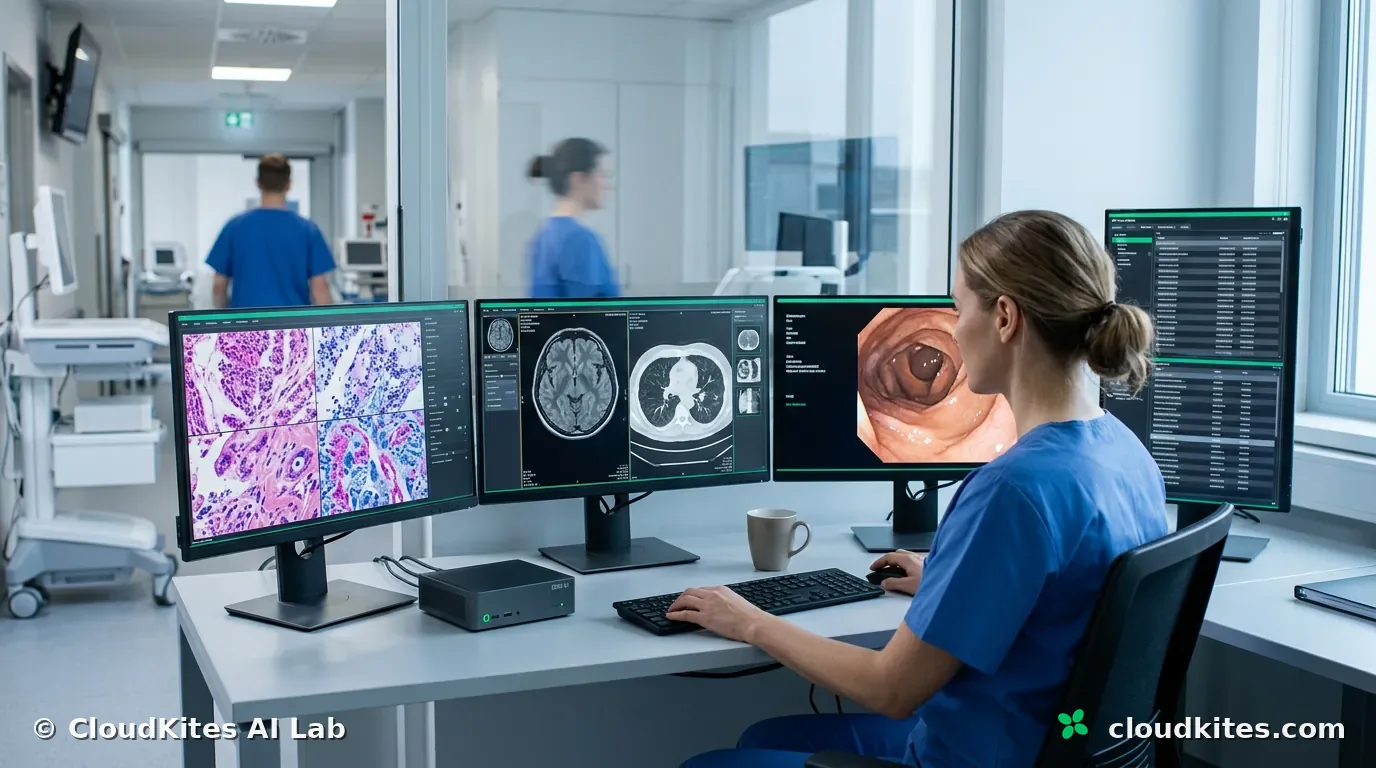
Bagaimana platform ini saling terhubung
Setiap modalitas memiliki alat edge di titik perawatan dan pod sebagai sistem informasi serta arsipnya. Edge membantu dan menangkap; pod menyusun, menyinkronkan, dan menyusun draf — dengan klinisi meninjau, menyunting, dan menandatangani di sepanjang prosesnya.
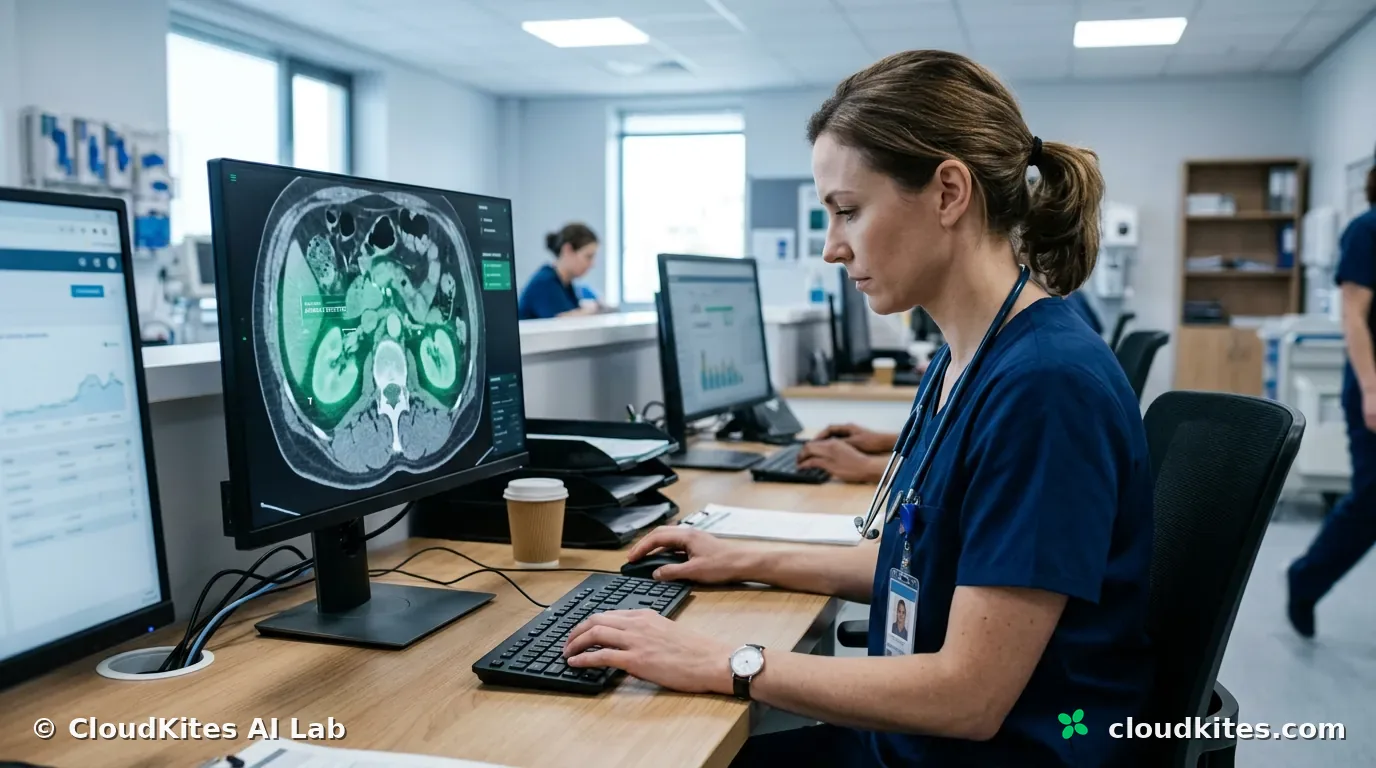
On-prem atau hibrida
Anda yang memilih di mana pod berada
Pod adalah sistem informasi dan arsip — dan di mana ia berjalan adalah keputusan yang dibuat oleh pelanggan, bukan yang ditentukan platform untuk mereka.
Beberapa departemen ingin semuanya tetap berada di dalam tembok mereka sendiri; yang lain menginginkan jangkauan awan untuk peninjauan, pengajaran, atau lokasi kedua. CloudKites tidak menentukan pemenang. Sebuah pod dapat berjalan sepenuhnya secara on-prem, menyimpan arsip dan sistem informasi di dalam fasilitas. Atau dapat berjalan secara hibrida — pod on-prem dipasangkan dengan pod awan — di mana keduanya tetap tersinkronisasi secara asinkron, sehingga edge terus bekerja meski ada gangguan dan pemeriksaan dapat diakses di mana pun dibutuhkan. Penataannya milik Anda, dan dapat berubah seiring perubahan Anda.
Fleksibilitas yang sama juga berlaku ke arah sebaliknya — dalam skala. Arsitekturnya lentur dari satu klinik kecil hingga rumah sakit menengah ke besar tanpa mengubah cara kerjanya. Laboratorium patologi anatomi kecil dapat menjalankan PathoPod sebagai LIS-nya; departemen radiologi yang sibuk dapat menjalankan TomoPod sebagai RIS dan PACS AI-native yang lengkap; unit endoskopi dapat menjalankan EndoPod sebagai EIS-nya. Anda menambah kapasitas dan modalitas seiring pertumbuhan, dan platform yang Anda kenal pada hari pertama adalah platform yang Anda pertahankan.
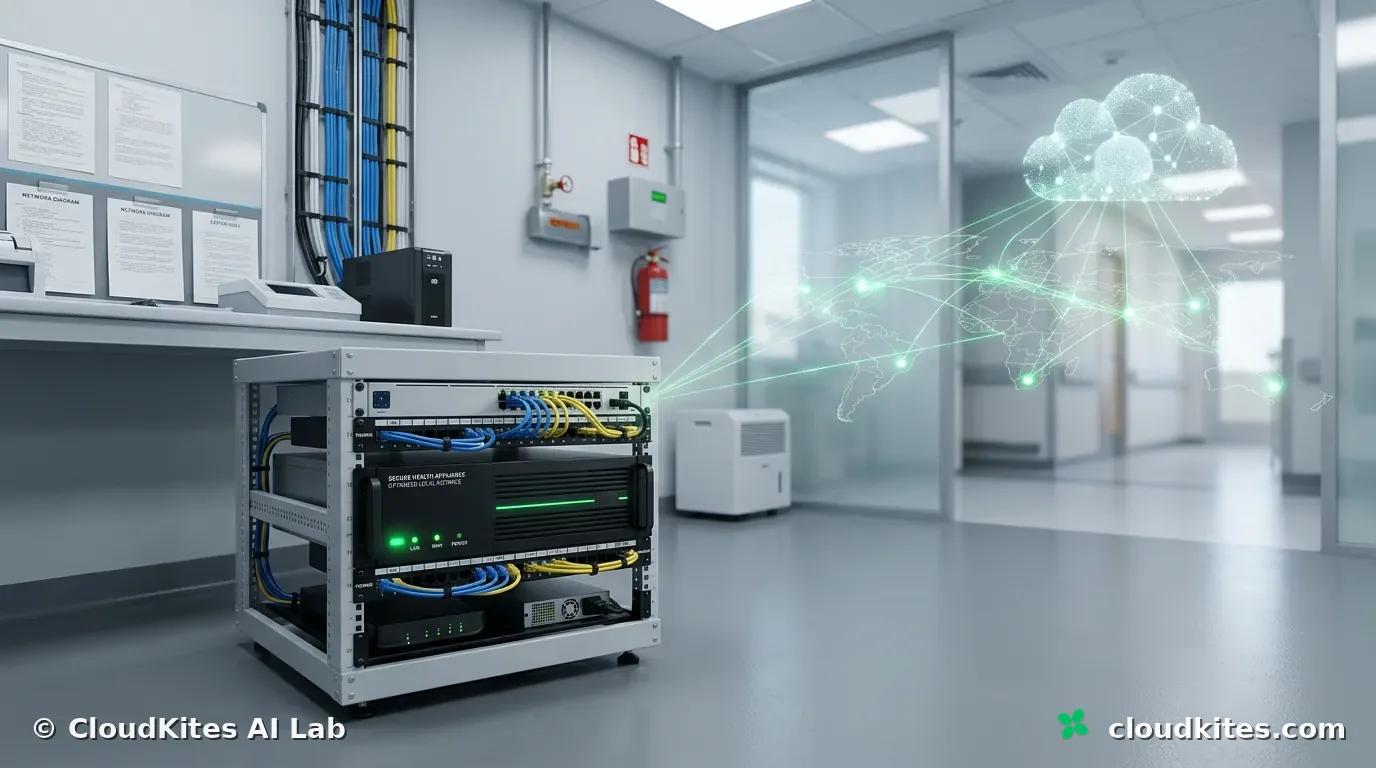
Satu fondasi
Tiga pasang edge-dan-pod, satu fondasi
Endoskopi, patologi, dan radiologi tampak seperti tiga dunia yang berbeda. Di bawahnya, masing-masing adalah alat edge ditambah pod pada satu fondasi AI-native — dan itu adalah pilihan dengan konsekuensi nyata bagi mereka yang menggunakannya.
Akan lebih mudah membangun tiga produk terpisah, masing-masing dengan kebiasaannya sendiri, keunikannya sendiri, definisinya sendiri tentang apa yang dianggap aman. Banyak perangkat lunak tumbuh dengan cara itu, satu tim demi satu tim, hingga sambungannya terlihat. CloudKites memilih jalan yang lebih sulit dengan sengaja: satu fondasi AI-native, diwujudkan sebagai alat edge dan pod untuk setiap modalitas. Dokter endoskopi, dokter patologi, dan dokter radiologi melihat alat yang dibentuk untuk keahlian mereka — EndoEdge dan EndoPod, PathoEdge dan PathoPod, TomoEdge dan TomoPod — tetapi mereka berdiri di atas tanah yang sama.
Imbalannya adalah model tidak terpecah. Edge membantu secara real-time dan menangkap; pod adalah sistem informasi — EIS, LIS, atau RIS — mengenkapsulasi pemeriksaan sebagai DICOM dan menyelaraskan dengan HL7 dengan sikap yang memperhatikan HIPAA. Penerapan dilakukan secara on-prem atau hibrida sesuai pilihan. AI terpasang secara bertahap dan dapat disesuaikan per pelanggan. Dan klinisi tetap berada dalam alur keputusan, meninjau dan menandatangani laporan semi-otomatis. Ketika sebuah departemen menambahkan modalitas kedua atau ketiga, ia tidak mempelajari cara kerja kedua atau ketiga. Ia sudah mengenal yang ini.
Ada pula manfaat yang lebih senyap. Fondasi bersama berarti model yang membantu dalam satu modalitas dapat diperluas ke modalitas berikutnya, dan standar yang terpenuhi di satu tempat adalah standar yang terpenuhi di mana saja. Platform menjadi lebih baik sebagai satu kesatuan, bukan dalam kepingan yang terputus — dan klinisi, yang tidak pernah meminta untuk memikirkan semua ini, hanya mendapati bahwa alat edge membantu dan pod berperilaku dengan cara yang sama di mana pun mereka menjumpainya.
Produk
Tiga pasang edge-dan-pod, dibangun dengan standar yang sama.
Model bersama
Apa yang tetap benar di seluruh produk
Tabel di bawah adalah ringkasan. Di balik setiap baris terdapat prinsip yang tidak berubah dari satu modalitas ke modalitas berikutnya.
Bentuk dua lapisan adalah yang pertama di antaranya. Setiap produk adalah alat edge di titik perawatan ditambah pod yang merupakan sistem informasi dan arsip — dan pod itu dapat diterapkan secara on-prem atau hibrida sesuai pilihan pelanggan, tidak pernah dipaksakan. Yang kedua adalah bahwa segalanya berbasis standar: pemeriksaan dienkapsulasi sebagai DICOM dan sistem dibangun agar sesuai dengan HL7 dan HIPAA, sehingga sebuah pod berada di dalam lanskap rumah sakit alih-alih terpisah darinya. Tidak satu pun dari keduanya merupakan keputusan per produk; keduanya berlaku di mana saja secara konstruksi.
Yang ketiga adalah sikap AI: model yang dapat dipasang dan diperluas yang terpasang secara bertahap untuk tugas tertentu, dapat disesuaikan per pelanggan, menyusun laporan semi-otomatis yang selalu ditinjau, disunting, dan ditandatangani oleh klinisi. Tidak ada diagnosis otonom di mana pun pada platform — manusia tetap berada dalam alur keputusan di titik mana pun sesuatu mencapai rekam medis. Ketiga hal ini bersama-sama bukanlah daftar pemasaran; semuanya adalah kontrak yang dibuat platform dengan mereka yang bergantung padanya, dan kontrak itu sama baik pekerjaannya endoskopi, patologi, maupun radiologi.
Dibagikan di seluruh produk
| EndoPod | PathoPod | TomoPod | |
|---|---|---|---|
| Bantuan real-time di titik perawatan | ✓ | ✓ | ✓ |
| Sistem informasi (EIS / LIS / RIS) | ✓ | ✓ | ✓ |
| Penampil berbasis web | ✓ | ✓ | ✓ |
| Penerapan on-prem atau hibrida | ✓ | ✓ | ✓ |
| DICOM, HL7, dan memperhatikan HIPAA | ✓ | ✓ | ✓ |
| AI yang dapat dipasang, laporan semi-otomatis | ✓ | ✓ | ✓ |
| Klinisi meninjau dan menandatangani | ✓ | ✓ | ✓ |