跳到正文

CloudKites

AI 原生影像,落地于诊疗现场。

可在本地或混合部署的可信临床 AI——从面向医学影像的 AI 原生 PACS 起步,发展为具备代理能力、并最终具身的临床助手。

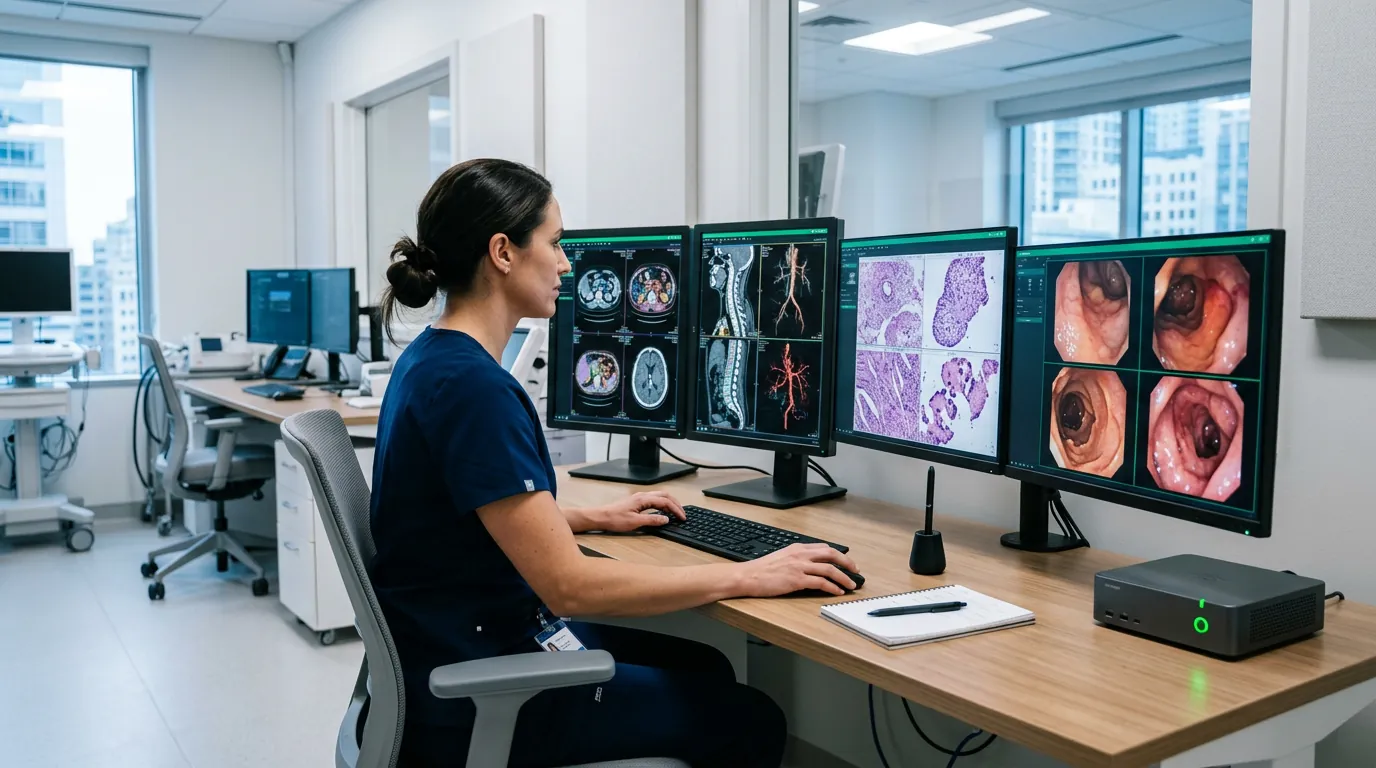
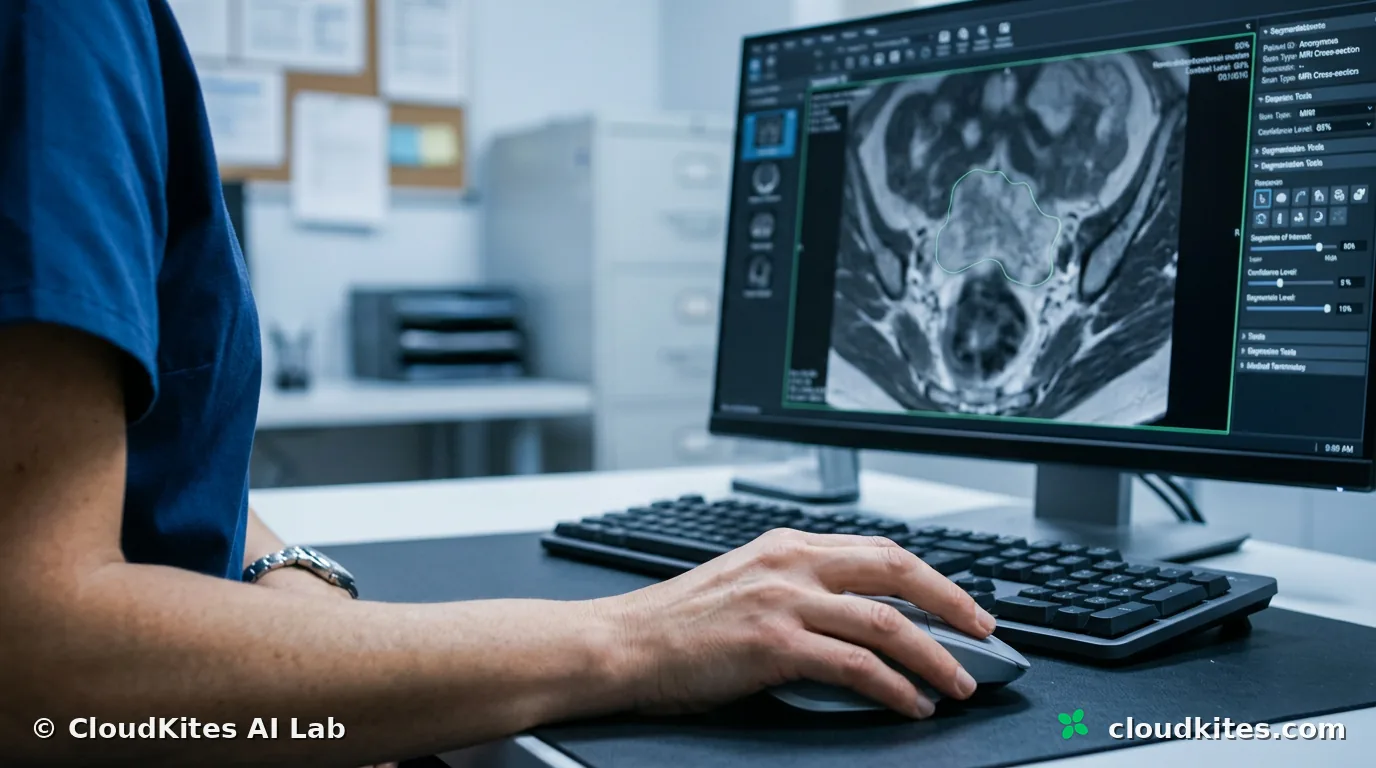
A clinician at a workstation reviewing medical imaging with AI assistance.

为临床信任而设计

四项原则贯穿我们构建的一切。

本地或混合
在您选择的地方部署 pod——完全本地或混合。
基于标准
支持 DICOM、HL7 并兼顾 HIPAA,契合您现有的系统。
人在决策环节中
AI 辅助并起草;临床医生审阅并签署。
免费工具
面向全科医生和每个人的实用临床 AI。

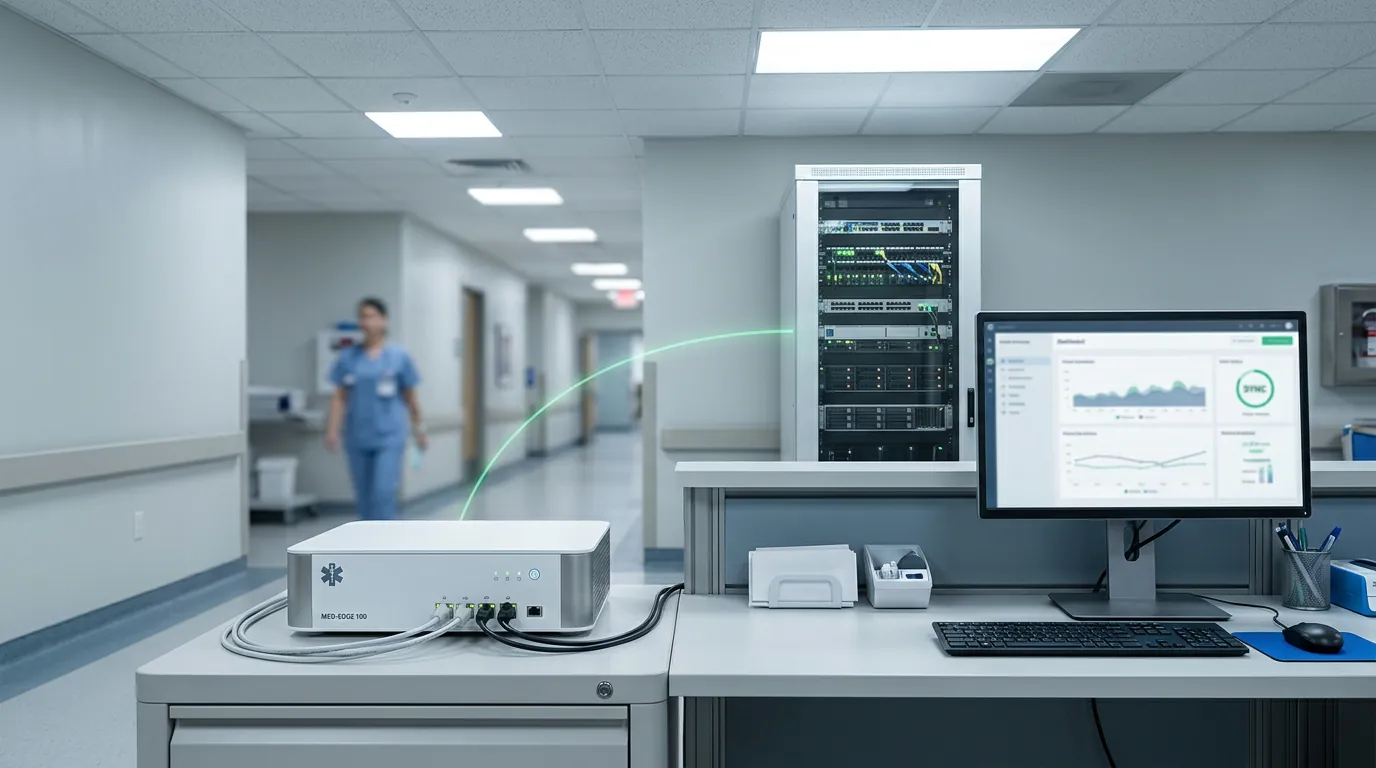
Two layers: the edge at the point of care, the pod behind it

CloudKites is an AI-native PACS built in two layers. Edge software assists healthcare workers in real time where care happens; the pod is the information system and archive behind it — deployable on-prem or hybrid by your choice.

The edge — EndoEdge, PathoEdge, TomoEdge — runs on the device where the work happens. It assists the clinician in the moment and captures the study as it is made: images, video clips, whole-slide images. Because it lives at the point of care, the assistance arrives at the pace of the procedure rather than the pace of a network, sitting quietly inside the moment instead of interrupting it. The clinician should never be waiting on the software; the software waits on them.

The pod — EndoPod, PathoPod, TomoPod — is the information system and archive: an EIS, LIS or RIS that organises the studies and their patient metadata, encapsulated as DICOM and aligned to HL7 with a HIPAA-aware posture. Where the pod runs is the customer's call. Keep it fully on-prem, so the archive and information system stay inside the facility; or run it hybrid, an on-prem pod paired with a cloud pod, with edge and cloud kept in sync asynchronously so studies are reachable wherever they are needed.

The same architecture flexes from a single small clinic to a medium-to-large hospital, and it is AI-assisted-ready: pluggable, extensible models plug in gradually for specific tasks and can be customised per customer. You turn on what helps and leave the rest. Whatever the deployment, the read ends the same way — a clinician reviews the AI-assisted draft, edits it and signs it. The edge and the pod do the carrying; the clinician keeps the decision.

An edge appliance at the point of care with the pod archive behind it.
consistent, every read
On-prem or hybrid — the same model, every deployment, with the clinician signing off.

覆盖内镜、病理与放射的边缘与 pod。

边缘工具在诊疗现场实时辅助;pod 则是信息系统与归档——本地或混合部署,配以可插拔的 AI 和负责审阅与签署的临床医生。

  • EndoEdge + EndoPod — real-time endoscopy AI and a full EIS.
  • PathoEdge + PathoPod — whole-slide imaging and a pathology LIS.
  • TomoEdge + TomoPod — an AI-native RIS and PACS.

探索平台

Endoscopy Pathology Radiology CloudKites AI-native PACS Clinicianstays in control Findingsto the record

From capture at the edge to a signed report

From the moment a study is captured at the edge to the moment a report is signed, the path is the same across every modality — and a clinician is in charge at every point along it.

1 Capture 2 Sync 3 Review 4 Report
Capture at the edge → sync to the pod → review in the web viewer → sign the report.
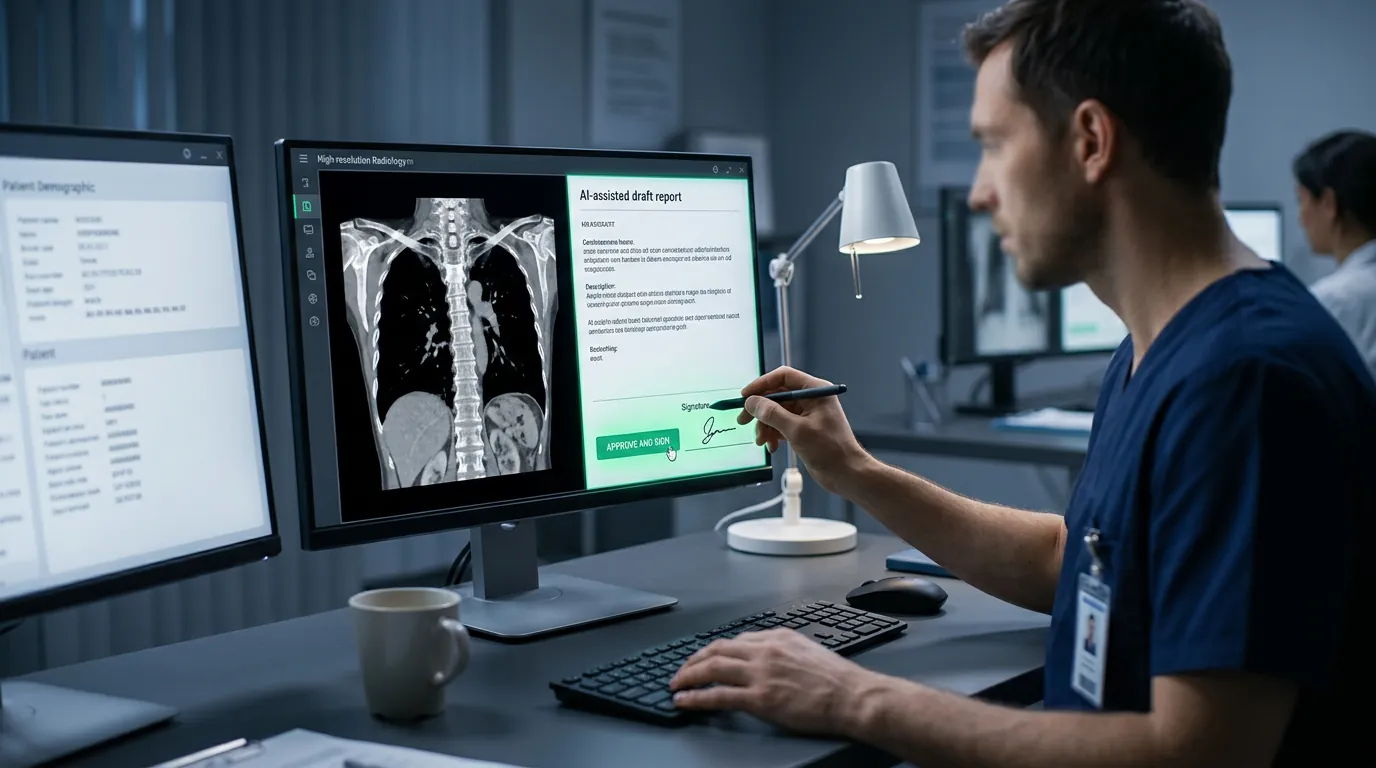
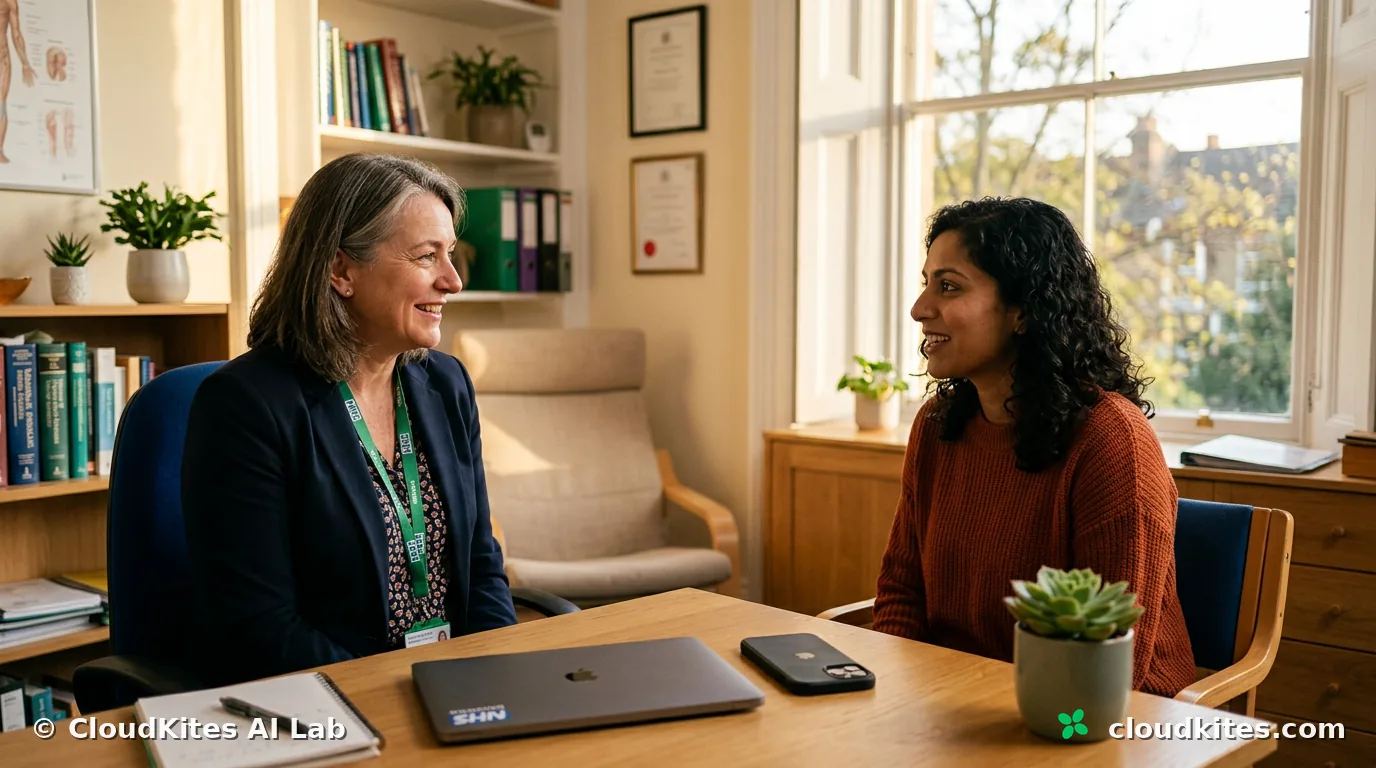
A clinician reviewing an AI-assisted draft report before signing.

It begins with capture at the edge, on the equipment a department already uses. The edge tool assists in real time and records the study — and the patient metadata that belongs with it — into the local edge database. Nothing about the way a clinician works has to change for the assistance to be useful; the platform meets the existing instrument where it is rather than asking a team to adopt a new way of doing the job.

Then the study syncs to the pod — on-prem, and to a cloud pod too if you run hybrid — encapsulated as DICOM and aligned to HL7. The sync is asynchronous, so the edge never waits on the network, and the study becomes accessible in the web-based viewer wherever it is needed. Pluggable AI models, added gradually and customised per customer, screen systematically and draft a semi-automated report. They propose; they do not decide.

Review is where judgement lives. In the web viewer, the clinician brings context the study cannot hold — the patient, the history, the reason for it — and weighs the AI-assisted draft against it. Only after that human review is the report signed, as a structured result the next clinician can read and trust. Four steps, one principle running through all of them: the edge and the pod assist, and the clinician decides.

One idea, expressed across every place imaging is read

CloudKites is not a single app. It is a family — three edge-and-pod imaging products on a shared foundation, Myro the agentic assistant that works across the clinical routine, and a set of free tools that put genuinely useful clinical AI in anyone's hands.

At the centre sit three imaging products, each an edge tool plus a pod — EndoEdge and EndoPod for endoscopy, PathoEdge and PathoPod for pathology, TomoEdge and TomoPod for radiology. They look different on the surface because the work they support is different, but underneath they share one AI-native foundation and one model: real-time assistance at the edge, an information system and archive in the pod, on-prem or hybrid by choice, pluggable AI, and a clinician who reviews and signs. Whichever modality a department starts with, it inherits the same way of working, and that does not get diluted as you add more.

Around those products is Myro, an agentic assistant that listens, sees and reasons across the clinical routine — from admin and nursing care to image and lab summaries and the work of a clinical intern — while always leaving the decision to a person. And beyond the clinical platform sits a deliberately free layer: MedPodGP for general practice and Emu for everyone, on-device tools we give away because useful clinical AI should not be gated behind a budget. Together they are one idea, expressed wherever imaging is read and care is delivered.

平台 Myro

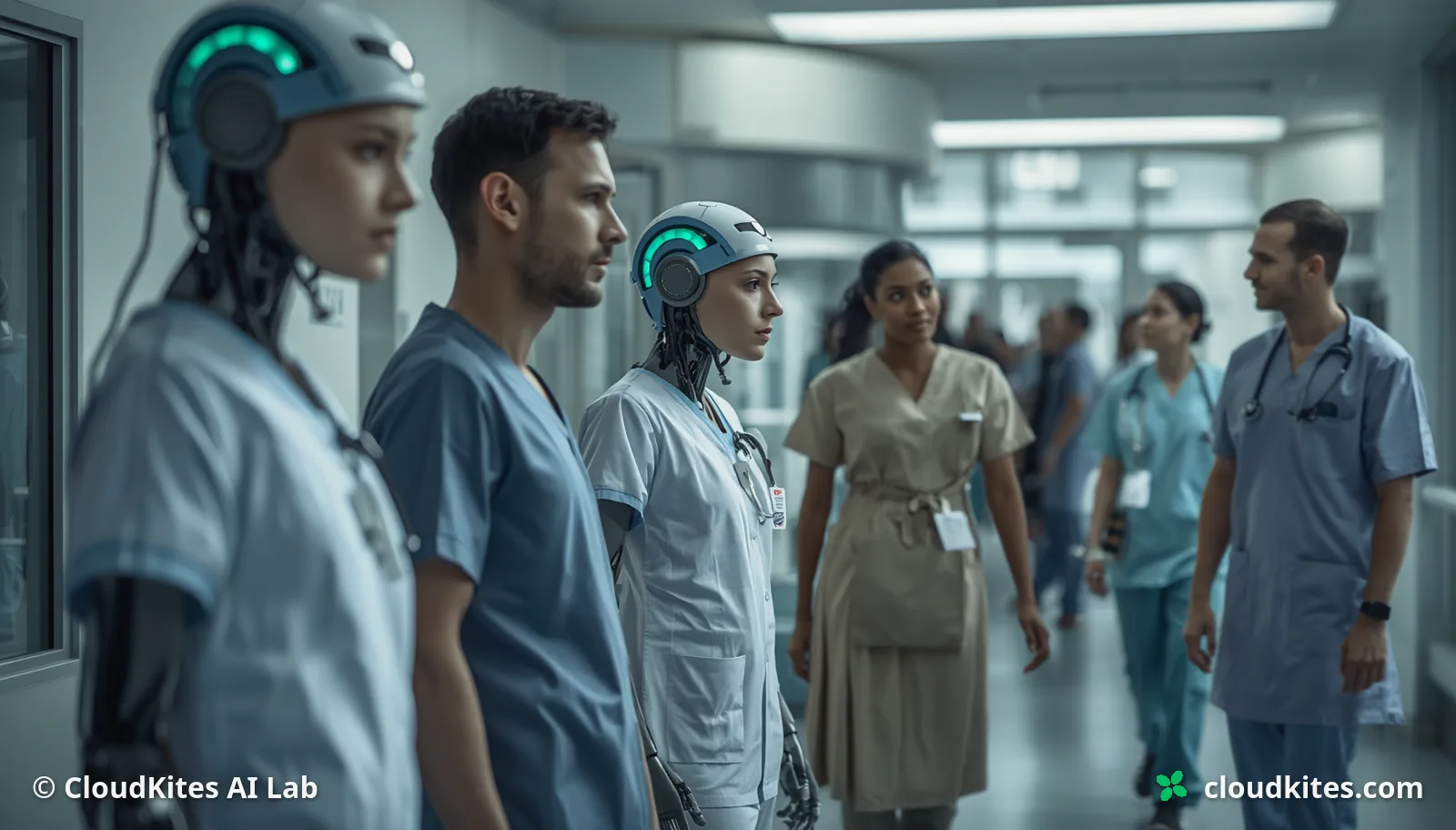
从 AI 原生影像到代理型临床助手,并最终走向具身的物理 AI。

愿景 →

AI-native imaging at the point of care Agentic assistant across the workflow Embodied care where it's heading

基于标准,可本地或混合部署,并按照临床与安全标准设计。

信任 →

Your facility stays in your control

CloudKites 最新动态

产品更新、公告以及关于临床 AI 的观点——来自团队的第一手分享。

浏览全部文章 →

把临床 AI 带到现场。

就内镜、病理与放射与我们交流——或今天就下载免费工具。